

Engagement
This month, Lobbyit on behalf of NEA met with Caroline Williams, a legislative assistant in the office of Sen. Ted Cruz (R-TX) to discuss the COMPETE Act and legislative momentum for STLDI reform. We discussed alternate approaches in the House, including Rep. Grothman’s COMPETE Act companion, and committees of jurisdiction that would shepherd the bills through. Caroline appreciated NEA’s support of the bill and added that they were looking to get Democrats on board as cosponsors to help move the bill through committee. She noted that, while Sen. Cruz didn’t sit on the Senate Health, Education, Labor, and Pensions (HELP) Committee, they had been speaking with committee staff and leadership utilizing his position on Senate Commerce to “grease the wheels.” In particular, she was eager to hear about our past engagement with CMS, adding that they hadn’t spoken directly with them but weren’t surprised that the regulatory folks were holding off until they saw legislative intent. She encouraged us to continue following up with our House and Senate contacts and to maintain the relationship with their office, while committing to flagging any relevant legislation that she saw in the future. In short, it was a very productive meeting.
Work on the Hill
Congress left Washington for the Memorial Day recess with several major legislative and political fights unresolved, creating a crowded June agenda when lawmakers returned. The return will place members immediately back into a volatile mix of appropriations, immigration enforcement funding, war powers, transportation reauthorization, farm bill negotiations, and growing intraparty Republican tensions.
A central development from late May was the abrupt collapse of Senate Republican plans to move a major immigration enforcement funding package before the recess. Senate Republicans had hoped to advance a roughly $70 billion bill providing additional funding for Immigration and Customs Enforcement and Customs and Border Protection, but the effort stalled after controversy erupted over the Trump administration’s creation of a $1.776 billion “anti-weaponization” fund at the Department of Justice. The fund, which has been described as a mechanism to compensate individuals who believe they were politically targeted by the federal government, generated sharp concern among Senate Republicans over whether individuals involved in the January 6 Capitol attack could be eligible for payments.
House and Senate Republicans left Washington frustrated, but the source of that frustration differed by chamber. Many Senate Republicans were angry with the Trump administration for creating the new DOJ fund and for dropping it into an already politically sensitive immigration enforcement debate. The controversy prompted Senate GOP leaders to abandon plans to move the immigration funding bill before the holiday weekend. By contrast, many House Republicans were more receptive to the concept of compensating “victims of lawfare,” reflecting a broader political divide between Senate Republicans focused on process, oversight, and political exposure, and House Republicans more aligned with the administration’s argument that conservatives were unfairly targeted by prior federal investigations.
The dispute is likely to produce a chamber-to-chamber clash when Congress returns in June. Senate Republicans are considering whether to impose guardrails on the fund, limit eligibility, or block payments to individuals convicted of violent conduct. Democrats are also expected to use the immigration bill as a vehicle to force votes aimed at restricting or eliminating the fund altogether. This puts Congressional leaders in a difficult position: moving the immigration package without addressing the fund risks internal defections and politically damaging amendments, but significantly restricting the fund risks backlash from the White House and the conservative voting base as primaries continue.
Beyond immigration, the FY 2027 appropriations process continued in earnest in May and will be a major cornerstone of June’s legislative agenda. House appropriators have already begun moving several FY 2027 spending bills through subcommittee and full committee, including Agriculture-FDA, Commerce-Justice-Science, Energy and Water, Legislative Branch, Interior-Environment, Transportation-HUD, and related measures. The House Appropriations Committee has scheduled the full committee markup of other FY 2027 measures, including the highly anticipated Labor-HHS-Education bill for early June.
Congress is also facing renewed debate over war powers and U.S. military engagement with Iran. The Senate recently advanced a war powers resolution aimed at limiting President Trump’s authority to continue military action against Iran without congressional authorization, with several Republicans joining Democrats. House Republican leaders then canceled a scheduled vote on a parallel Iran war powers resolution just before lawmakers left town, avoiding what could have been a significant bipartisan rebuke of the administration. The issue is likely to return after the recess, particularly as lawmakers question the legal basis, costs, and strategic objectives of continued U.S. military activity in the region.
The Iran debate has broader political significance because it reflects a growing willingness among some Republicans to challenge the administration on questions of congressional authority, spending, and political risk. While most Republicans remain broadly aligned with the White House, the convergence of the DOJ fund controversy, immigration funding delays, White House construction-related spending, and Iran war powers concerns suggests a more complicated governing environment than earlier in the year for the GOP.
May also saw the release of the highly anticipated Surface Transportation Reauthorization bill, colloquially known as the Highway Bill. The House Transportation and Infrastructure Committee approved the BUILD America 250 Act, a five-year surface transportation reauthorization bill, by a 62–2 vote. The bill is designed to replace the current surface transportation authorization, which expires September 30th, and will shape federal highway, bridge, transit, freight, rail, and safety policy for the next several years.
The transportation bill is broadly bipartisan at the committee level, but it may become more complicated on the House floor because of amendments and policy provisions touching rail safety, electric vehicle fees, federal highway funding conditions, and surveillance technology. The House Transportation and Infrastructure Committee approved rail safety language connected to last year’s East Palestine derailment, including provisions addressing hazardous materials, train crew size, wayside defect detectors, and stronger penalties. Those provisions have support from safety advocates and some lawmakers but face resistance from parts of the rail industry and some Republicans concerned about costs and operational impacts.
All in all, the congressional environment heading into June is both crowded and politically unstable. The official agenda includes appropriations, immigration enforcement funding, surface transportation reauthorization, farm bill negotiations, and war powers. The unofficial agenda is equally important: Republican leaders must manage growing tensions between the House, Senate, and White House while Democrats seek opportunities to force difficult votes on spending, DOJ oversight, war powers, affordability, and executive branch accountability. Primaries throughout the summer place continued pressure on lawmakers in politically vulnerable seats, making June and the coming months a flashpoint as we quickly approach the midterms in November.
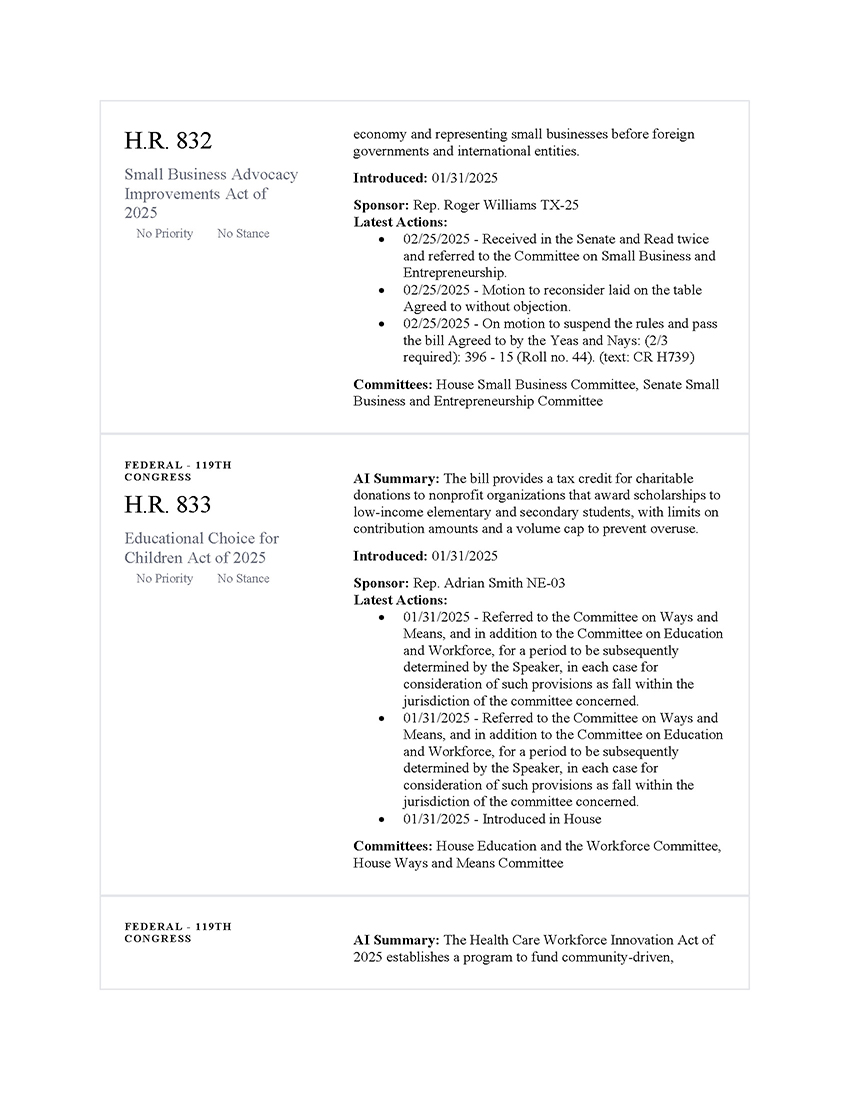
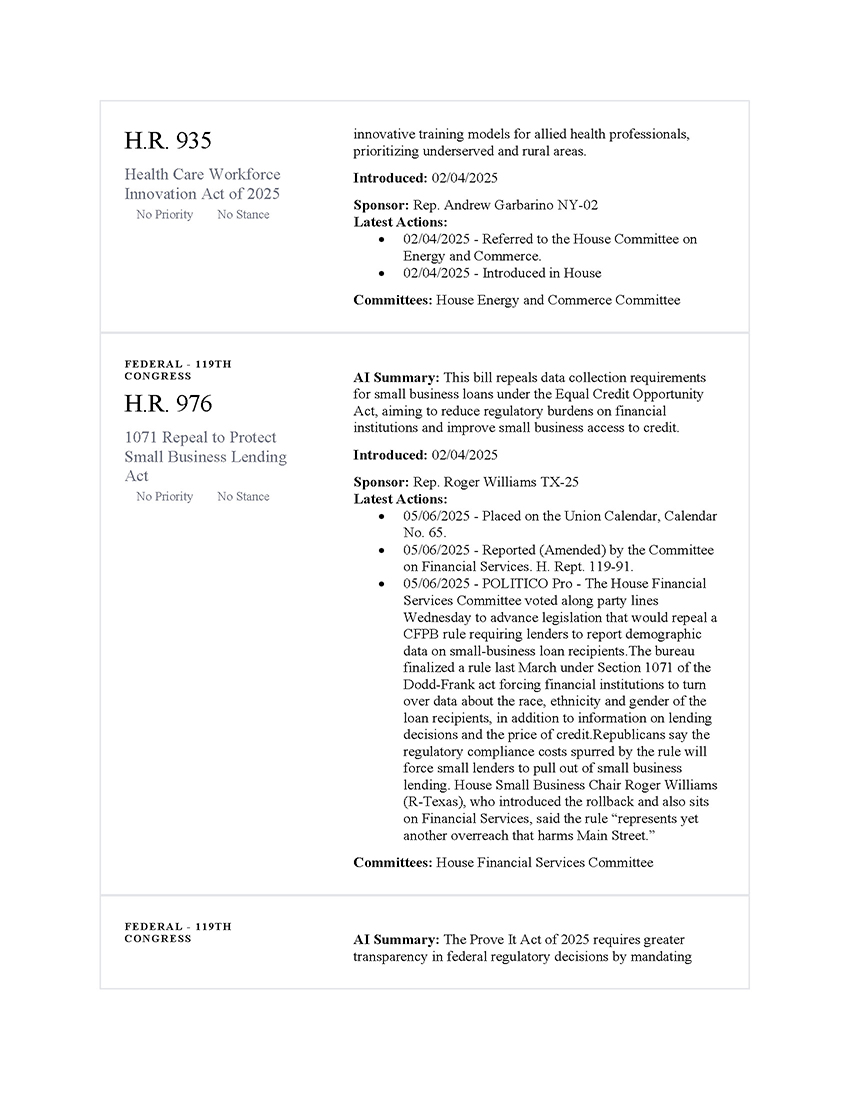
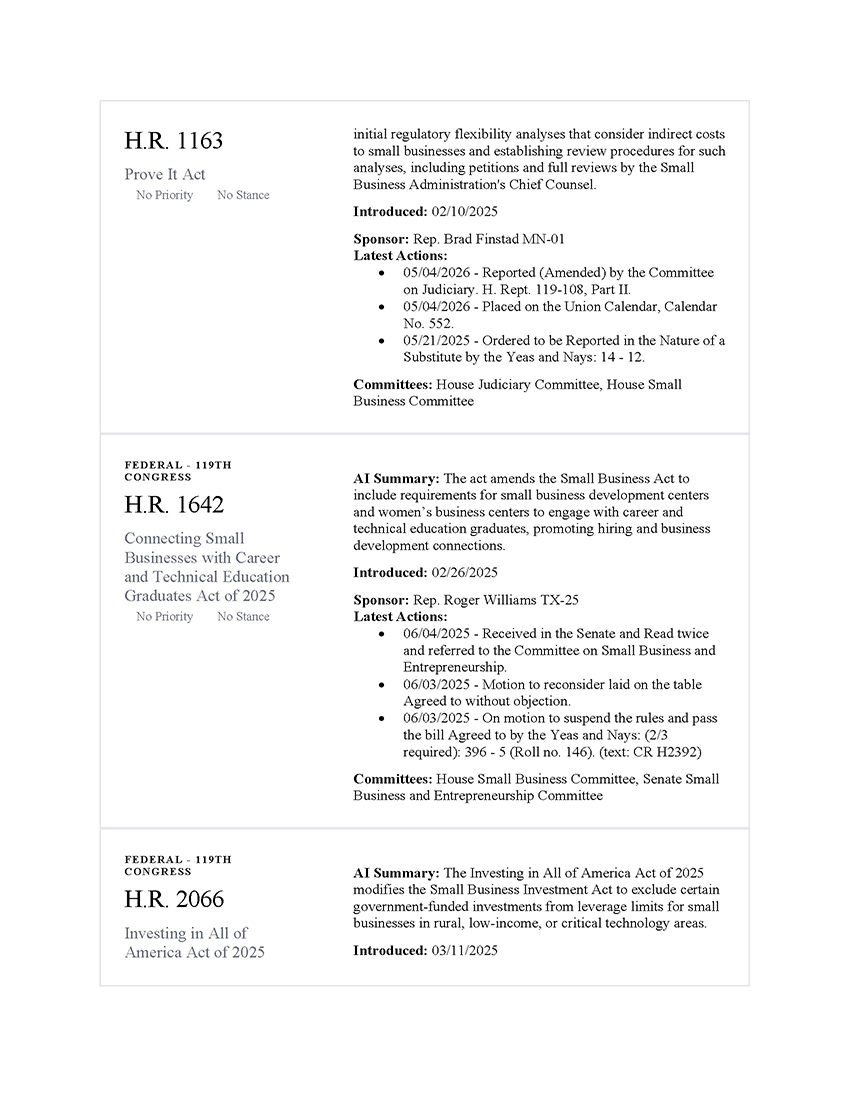
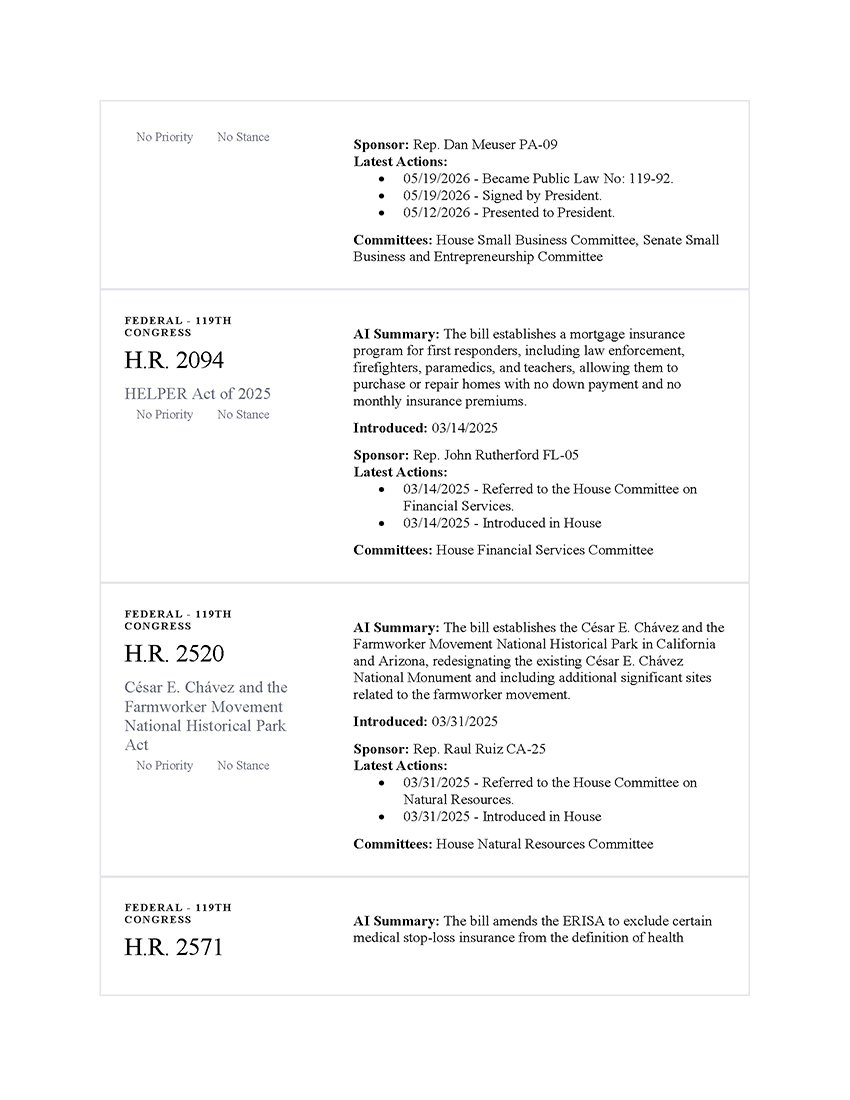
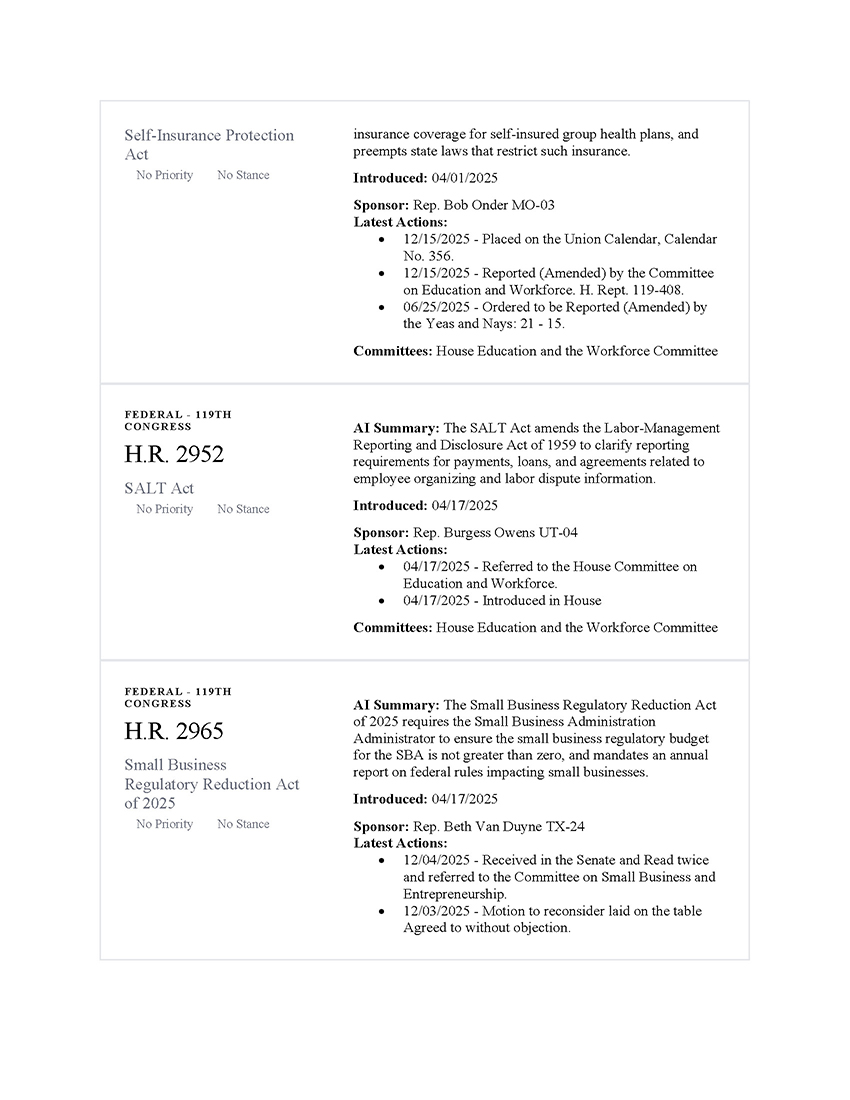
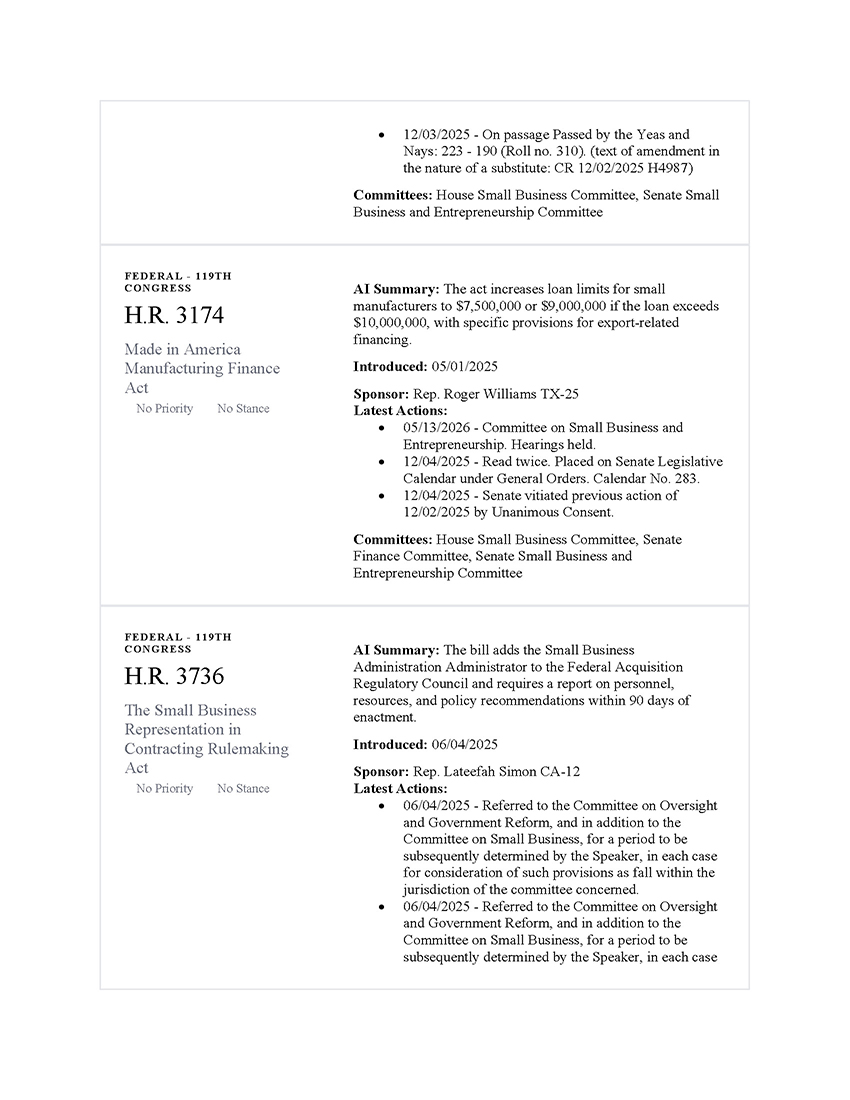
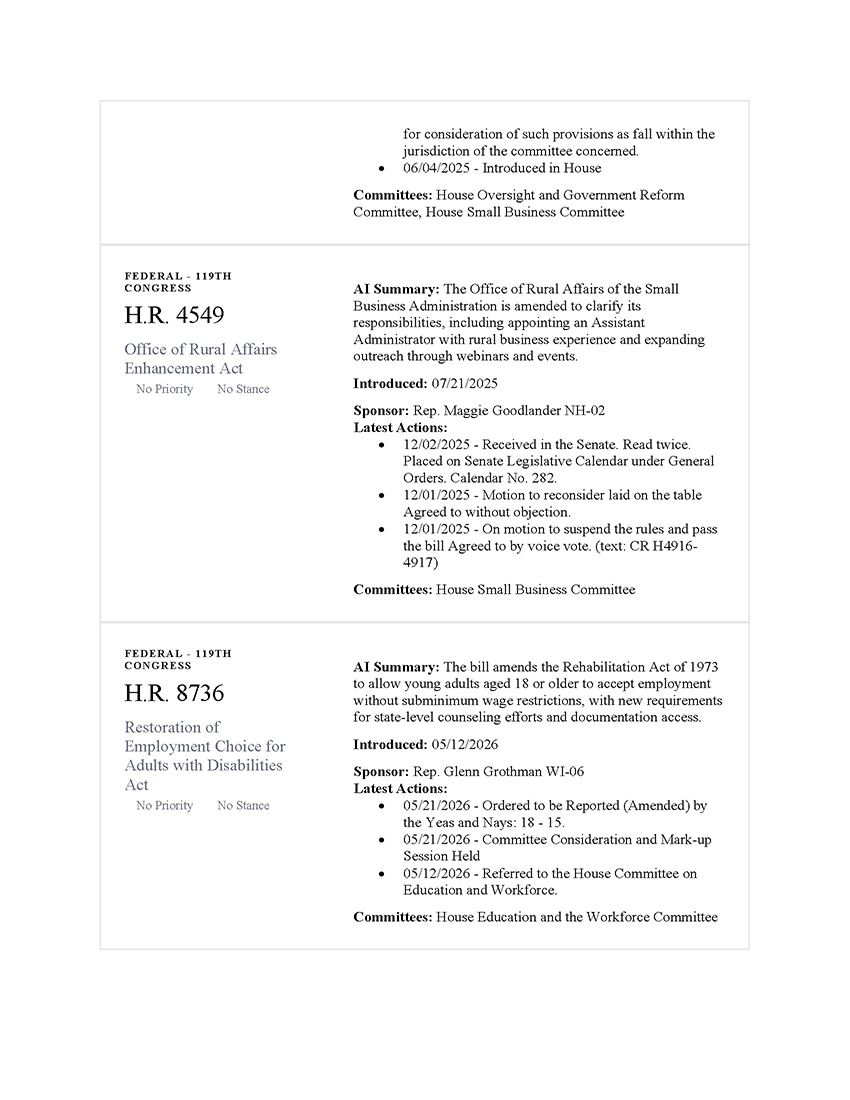
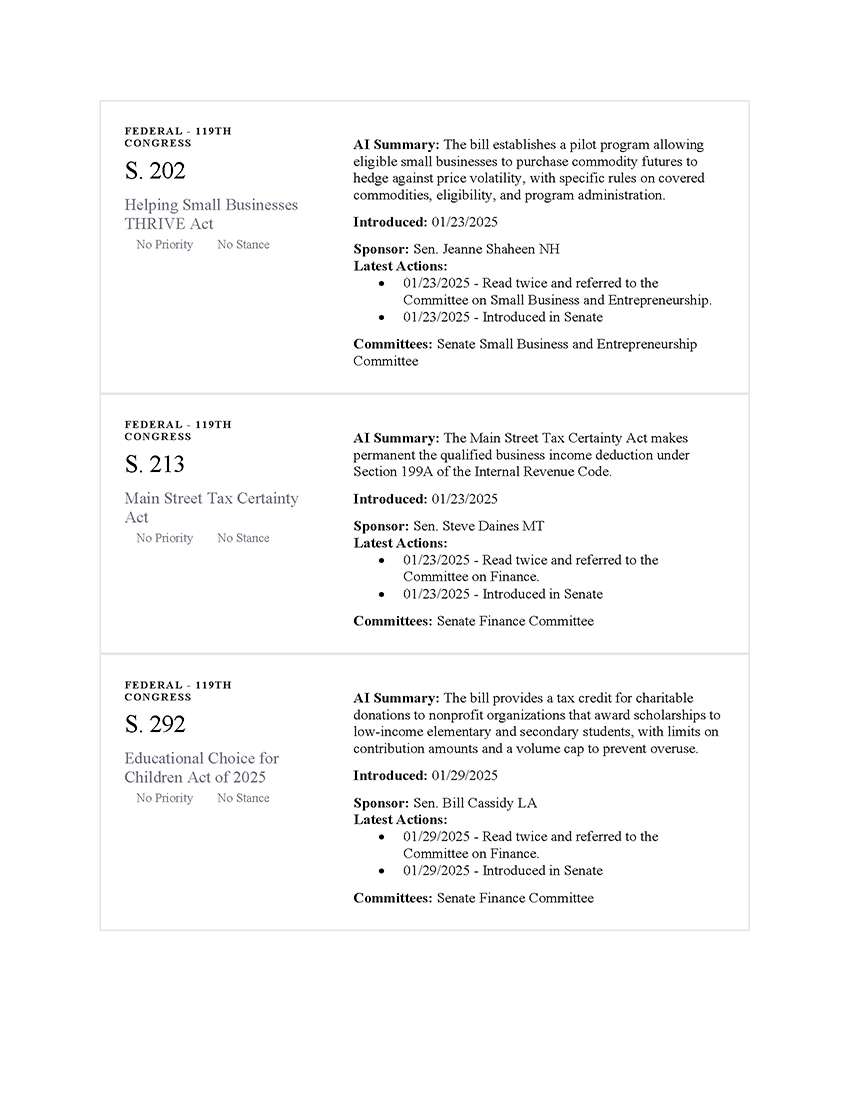
H.R. 8736
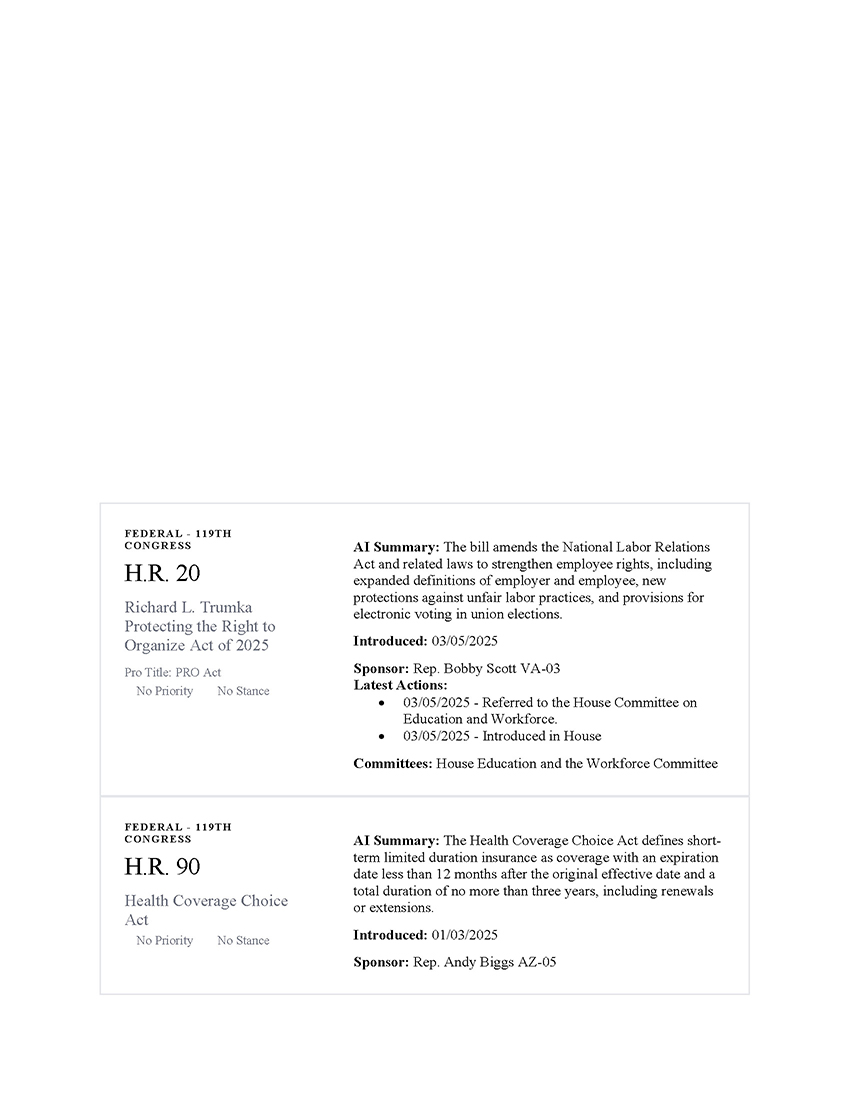
H.R. 8736, the Restoration of Employment Choice for Adults with Disabilities Act, was introduced in May by Rep. Glenn Grothman and seeks to amend the Rehabilitation Act of 1973 to expand employment options for adults with disabilities. The legislation focuses on Section 511 of the Rehabilitation Act, which governs the use of subminimum wage employment under federal law. Supporters argue that current requirements create barriers that limit workplace choices for individuals with disabilities who may prefer sheltered workshops or other specialized employment settings. The bill would lower certain age-related restrictions from 24 to 18 and provide additional flexibility when state vocational rehabilitation agencies fail to complete required counseling and referral activities.
The legislation has generated debate among disability advocates and policymakers. Supporters in Congress contend that the bill preserves individual choice and protects access to employment opportunities that might otherwise become unavailable due to regulatory requirements. Opponents have argued in the past that easing restrictions on subminimum wage employment could undermine efforts to increase competitive integrated employment for people with disabilities and maintain reliance on employment models that pay less than the federal minimum wage. The bill was referred to the House Committee on Education and Workforce upon introduction and was later ordered reported, as amended, by an 18-15 committee vote.
CMS Leadership Reshuffling
The Centers for Medicare & Medicaid Services (CMS) is restructuring its leadership team to advance key agency priorities, particularly the use of artificial intelligence in healthcare administration. Current Chief of Staff Steph Carlton will become deputy administrator, where she will oversee CMS’s clinical AI initiatives and efforts to modernize Medicaid quality programs. Rebekah Armstrong, formerly head of the agency’s Office of Legislation, will succeed Carlton as chief of staff. CMS Administrator Mehmet Oz said the changes are intended to strengthen the agency’s ability to improve health outcomes while safeguarding federal healthcare programs. Carlton previously served as acting CMS administrator before Oz’s confirmation in April 2025.
The leadership shift comes amid broader personnel changes across the Department of Health and Human Services (HHS). Recent developments include the resignation of FDA Commissioner Marty Makary, the withdrawal of surgeon general nominee Casey Means, the nomination of Erica Schwartz to lead the CDC, and other senior-level departures and promotions throughout the department. CMS’s reorganization reflects Administrator Oz’s emphasis on integrating artificial intelligence into agency operations. Since taking office, he has promoted AI as a tool to improve efficiency, reduce fraud, lower costs, and enhance patient experiences, particularly within Medicaid.
SCOTUS denies pharma challenge to Medicare negotiations
The Supreme Court declined to hear six pharmaceutical industry challenges to Medicare’s drug price negotiation program, leaving one of the central provisions of the 2022 Inflation Reduction Act in place. The lawsuits, brought by major drugmakers including AstraZeneca, Boehringer Ingelheim, Bristol Myers Squibb, Janssen, Novartis, and Novo Nordisk, argued that Medicare’s authority to negotiate prescription drug prices is unconstitutional. By denying review, the Court effectively allows lower court rulings that upheld the program to stand and preserves the federal government’s ability to negotiate prices for selected high-cost medications.
The decision represents a significant victory for supporters of drug pricing reform and strengthens the long-term outlook for the negotiation program. While several similar lawsuits remain pending in lower courts, those cases now face a steeper path given the Supreme Court’s refusal to intervene. The ruling also underscores the program’s bipartisan durability: although created under President Joe Biden, it has continued to be implemented by the Trump administration as part of broader efforts to reduce prescription drug costs. Earlier this year, the Centers for Medicare & Medicaid Services selected 15 additional drugs for the third round of negotiations, with participating manufacturers agreeing to engage in the process. Those negotiations are scheduled to conclude by November 1st, further expanding Medicare’s role in shaping drug prices and potentially reducing costs for beneficiaries and federal healthcare programs.
Workforce Pell Final Rule Released
The Education Department has finalized regulations implementing the new Workforce Pell Grant program, a major higher education and workforce development initiative enacted through the One Big Beautiful Bill Act. The rule expands Pell Grant eligibility to short-term workforce training programs lasting as little as eight weeks, compared with the previous minimum of more than 15 weeks. To qualify, programs must receive approval from both a state governor and the Education secretary and meet annual performance standards. Education Secretary Linda McMahon framed the initiative as a key component of President Donald Trump’s workforce agenda, arguing that it will help students obtain industry-recognized credentials in fields such as HVAC, electrical work, and carpentry and enter the workforce more quickly and affordably.
The policy represents a significant shift in federal student aid by directing Pell Grant funding toward non-degree workforce pathways that have long enjoyed bipartisan support in Congress. However, its implementation comes as the Pell Grant program faces mounting financial pressures. The Congressional Budget Office has projected a $5.4 billion shortfall for fiscal 2026, driven in part by expanded eligibility resulting from changes to the federal student aid application process. Nearly 10 million students qualified for Pell Grants during the 2024-25 academic year, with a growing share eligible for maximum awards. Because Congress did not provide additional funding specifically for Workforce Pell, uncertainty remains about the program’s long-term fiscal impact and whether it could accelerate funding challenges. The Trump administration has urged Congress to address the looming deficit, proposing a $10.5 billion infusion to stabilize the program and prevent disruptions to student aid in future academic years.
National Employers Association