

Advocacy and Engagement
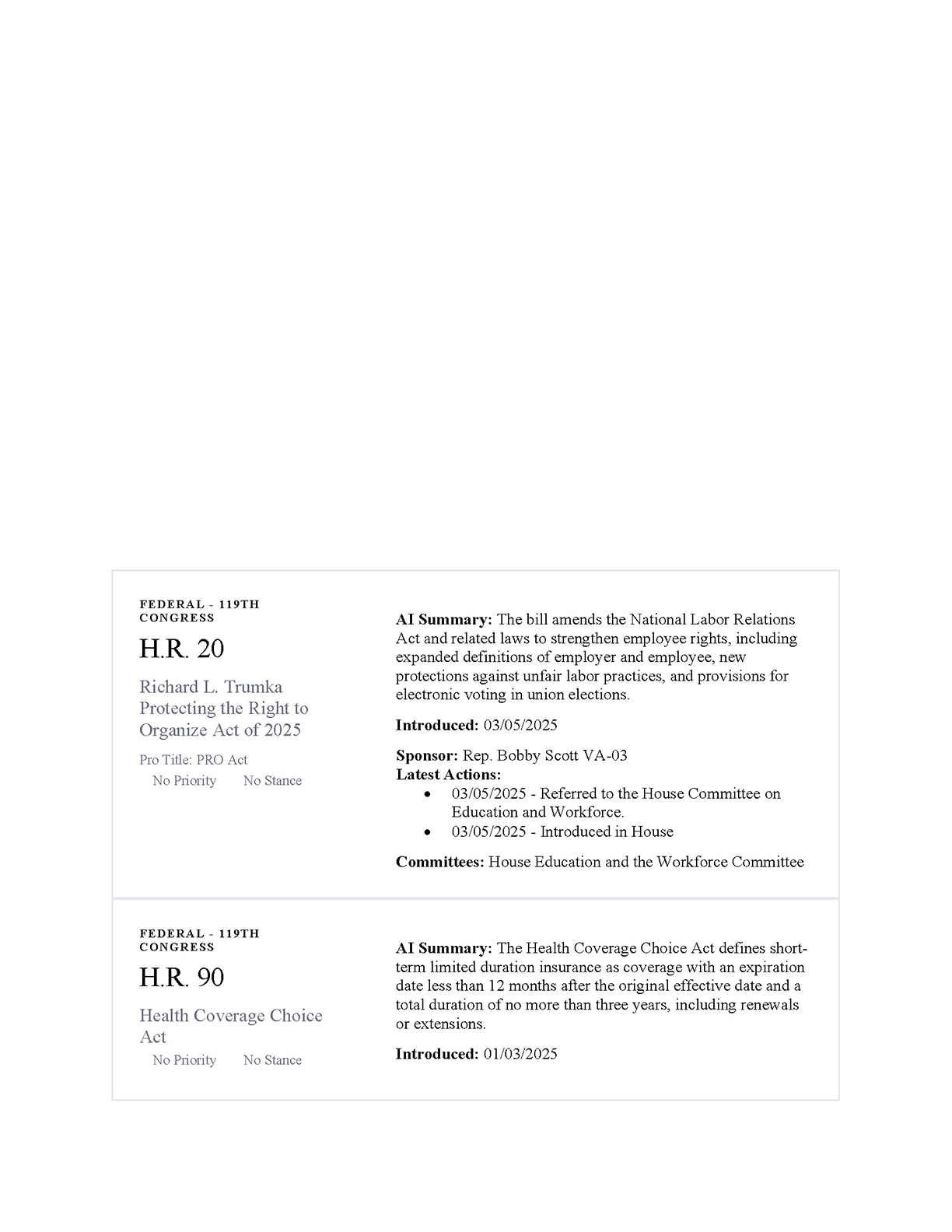
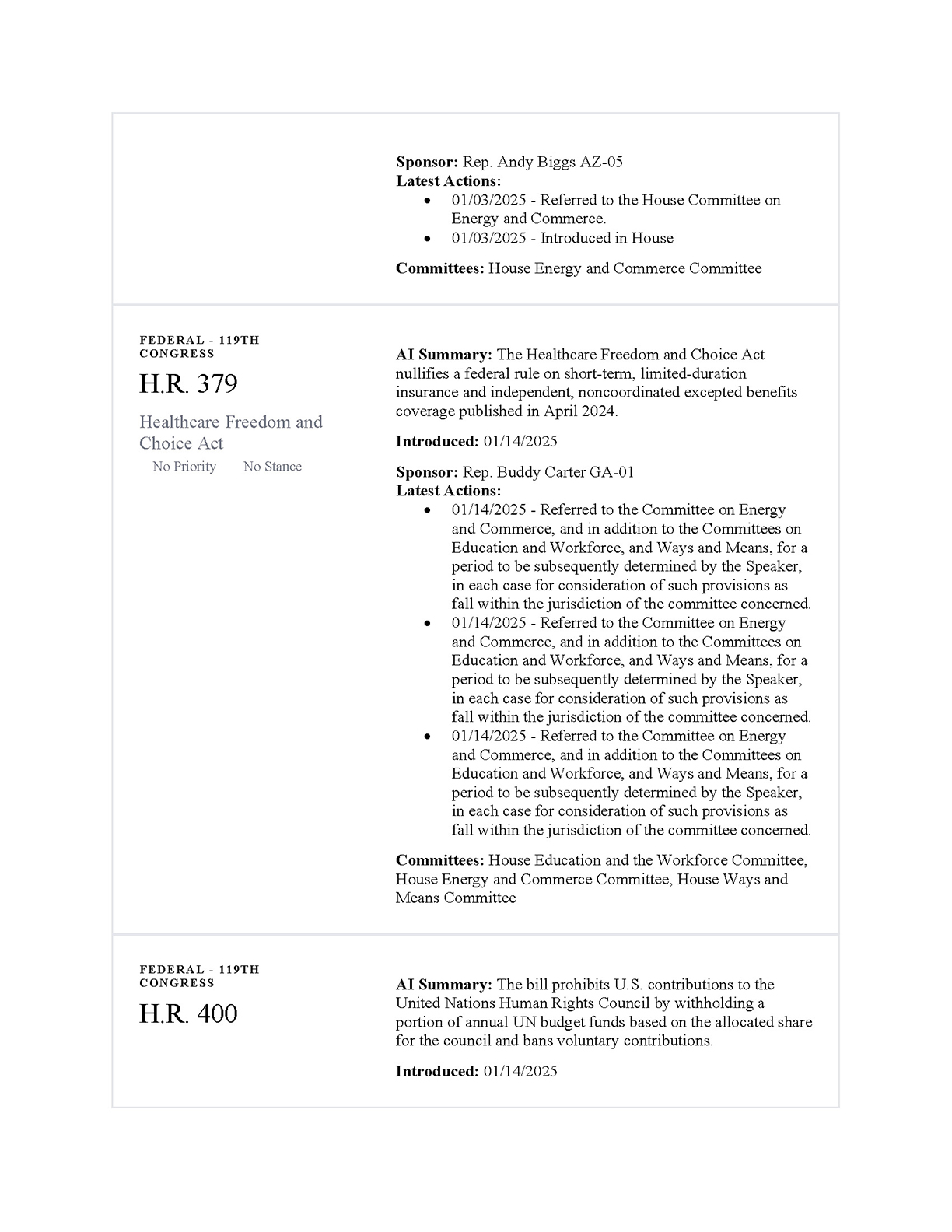
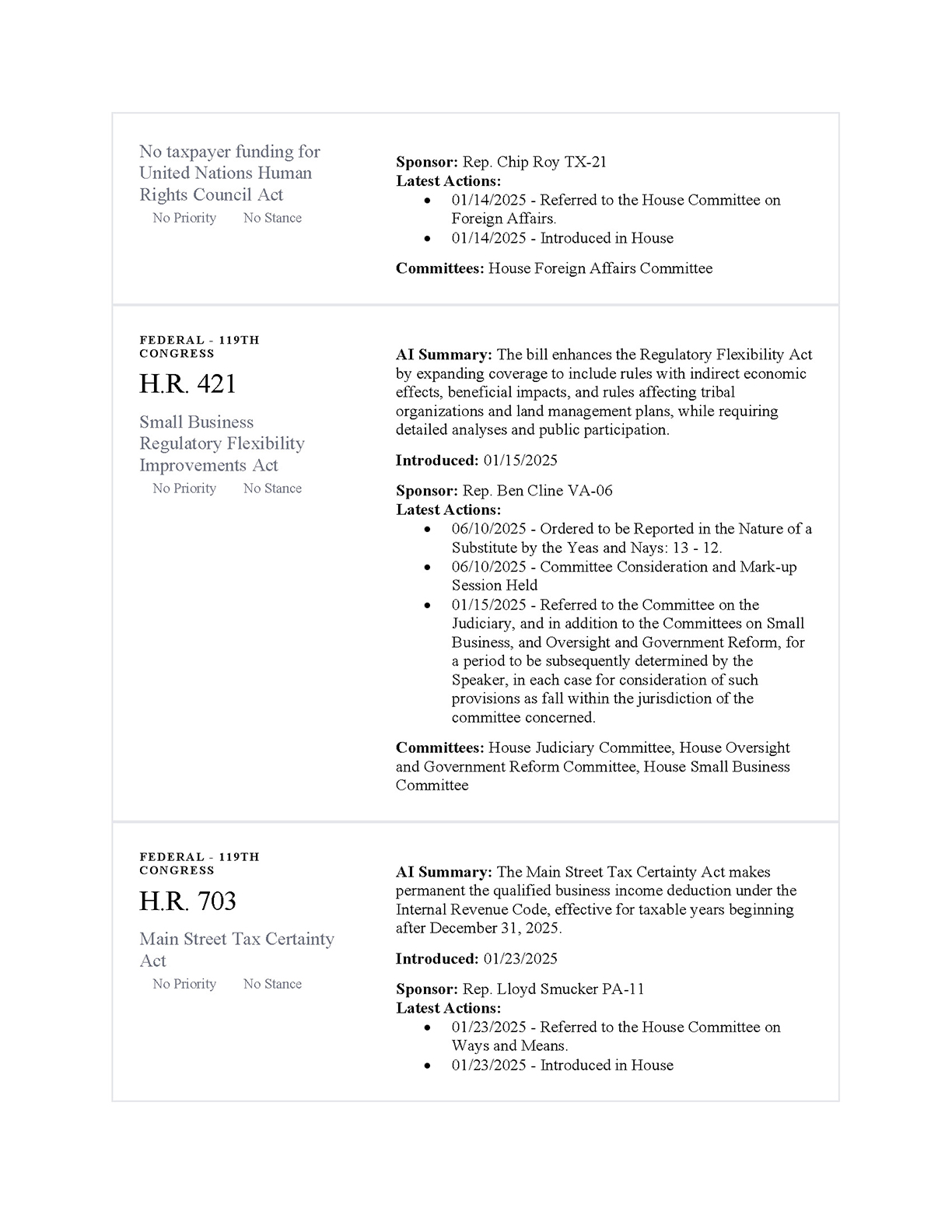
On February 18th, Lobbyit met with Jessica Dauchness, Legislative Director in the office of Lloyd Smucker, to discuss Rep. Max Miller’s ACCESS Act. Rep. Smucker cosponsored H.R. 379 last year and has been a consistent supporter of market-based reforms and strengthening employer-sponsored coverage, particularly in his role on the House Committee on Ways and Means. During the meeting, Lobbyit referenced past efforts to reform STLDI that had stalled in committee and discussed the differences in the new legislative proposals aimed at expanding flexibility and affordability in coverage options. Jessica noted that Rep. Smucker would be especially interested in policies that enhance consumer choice, reinforce employer-employee based insurance, and provide alternatives that address shortcomings in the current ACA framework, and committed to taking a closer look at the ACCESS Act.
As a member of House Committee on Ways and Means, Rep. Smucker is particularly focused on Medicare, with several bills targeting inefficiencies in the system, including issues affecting occupational therapists and home health providers. He also cofounded the MAHA Caucus (now roughly 20 members) and recently sent a letter regarding the new Dietary Guidelines for Americans. We discussed their office’s work on APTCs, with Ways and Means exploring alternatives to strengthen employer-provided coverage while addressing flaws in the ACA. Jessica mentioned that the Committee recently held a hearing on healthcare affordability, and Energy and Commerce has been engaging pharmaceutical companies as well – oversight that she expected to continue in the coming months. As a former small business owner, she emphasized that Rep. Smucker strongly supports market-led coverage options and was open to the flexibility offered by STLDIs. She noted a lot of overlap in healthcare priorities within the Ways and Means Committee as a challenge, and that the approaching midterms would likely lead to this coming back up over the summer given the post-August slowdown.
On February 20th, Lobbyit met with Karrah Spendlove from the office of Rep. Russ Fulcher to discuss progress in the short-term limited-duration insurance space and forecast upcoming legislation. Rep. Fulcher sits on the Energy and Commerce Committee and was a cosponsor of Rep. Buddy Carter’s Healthcare Freedom and Choice Act. After introducing NEA and elaborating on our policy priorities, Jonathan spoke with Karrah Spendlove about a bill that Rep. Fulcher had introduced, the Removing Insurance Gaps for Health Treatment (RIGHT) Act in November 2025. The bill would restore STLDI caps to 36 months and define them in a way that would allow for more standardized rulemaking.
Karrah mentioned that, if we were already making the rounds to discuss support for Rep. Miller’s ACCESS Act, they would appreciate any help we could give them in whipping up votes for the RIGHT Act as well. She noted that they had not heard much on progress from the committee staff, but that the committee’s priorities had been elsewhere in the months since the bill had been introduced. She also mentioned that there were rumors circulating about a second reconciliation package in the upcoming months, though she added that these were speculative and it wasn’t clear if or how they would impact the healthcare space. Finally, Karrah and Jonathan discussed other major legislative packages coming up in the House, including the Farm Bill and the Highway Bill, with Karrah adding that it was more likely to see movement on affordability moves such as STLDI once the “big wins” were taken care of.
Work on the Hill
In the month of February, DC became the epicenter of high-stakes political confrontations that underscore deepening divides over immigration, election law, executive authority, and trade policy. Most prominently, February saw another appropriations impasse over funding for the Department of Homeland Security, a dispute that has not only led to a partial government shutdown but also highlighted broader difficulties in bipartisan negotiation in recent months. Despite a funding package signed on February 3rd that secured FY2026 funding for most government departments, the funding lapse for DHS began on February 14th after negotiations between congressional leadership stalled over immigration enforcement reforms and operational restrictions within the department. Democratic demands included enhanced oversight of ICE and CBP officers, provisions that Republicans largely rejected as non-starters, widening the partisan divide and effectively freezing progress on a full appropriations package.
As a second failed procedural vote in the Senate demonstrated, efforts to advance the House-passed DHS appropriations bill fell short of the 60 votes necessary for debate and left a stalemate that has persisted throughout the month. While this partial shutdown hasn’t seen the same impact in furloughed employees, many workers within the Department such as TSA staff have faced missing paychecks, and emergency programs like the Global Entry traveler program were suspended as managers reallocated funding. The shutdown’s direct effects became a prominent subject of congressional hearings and public testimony, with bipartisan concern expressed over disruptions to key services and infrastructure. Even high-profile transportation programs that millions of travelers rely upon, like TSA PreCheck, experienced uncertainty, with administrators initially halting them before quickly backtracking amid mounting criticism from industry groups and lawmakers. In short the partial shutdown’s longevity throughout the month has revealed both the limits of congressional compromise and the depth of ideological contention surrounding immigration policy in recent months.
In tandem with fiscal conflicts, February witnessed intense legislative activity over election law, centered on the so-called SAVE America Act. This bill, rooted in the broader Safeguard American Voter Eligibility (SAVE) framework first introduced in prior legislative sessions, would impose new federal requirements requiring documents proving U.S. citizenship in order to register to vote in federal elections (and require photo ID at the polls). Proponents argue the measure is necessary to bolster election integrity by ensuring only legitimate citizens participate in federal elections. Its backers, including President Trump and House Republican leadership, have framed it as a centerpiece of GOP legislative priorities ahead of the 2026 midterm elections and tied their messaging to electoral security and fraud reduction. Critics have expressed concern that the legislation could add burdensome obstacles for Americans who do not have access to the required personal identification documents and will accrue expensive fees in attempting to obtain them, which may be especially challenging for low-income citizens or those who have changed their names. Despite its passage in the House of Representatives this month, the bill faces an uphill battle in the Senate, where Democratic opposition and a lack of unified Republican support have stalled floor action and threatened to leave the bill in legislative limbo.
Meanwhile, judicial action from the Supreme Court restrained the Trump administration’s tariff powers in a major move this month. On February 20, the Court issued a landmark ruling determining that the executive branch’s use of the International Emergency Economic Powers Act to impose sweeping tariffs exceeded the president’s statutory authority. In a 6-3 decision, SCOTUS concluded that the emergency powers statute did not authorize the tariff scheme, rebuking one of the Trump administration’s signature economic policy tools and prompting questions about the future of trade policy and executive authority. The ruling vacated portions of the lower court’s decision and remanded certain issues, leaving unresolved questions about refunds for tariff revenue already collected. The decision reverberated across Capitol Hill, with policymakers already weighing legislative action and the White House responding with new 10% tariffs immediately after the ruling. The tariff saga is far from over, but the Supreme Court’s decision this month has underscored ongoing tensions over the bounds of executive power become fodder for debate over congressional prerogatives in setting foreign policy.
Capitol Hill also saw significant activity around the long-overdue reauthorization of the federal Farm Bill, with the House Agriculture Committee releasing the text for the Farm, Food and National Security Act of 2026 and scheduling its initial markup for early March. The draft legislation, unveiled this month and spanning hundreds of pages, seeks to reauthorize core farm safety net, risk management, nutrition, conservation, and rural development programs that have not been comprehensively updated since the 2018 bill’s expiration and multiple short-term extensions. The release drew both praise and criticism over crop innovation, cost pressures, trade disruptions, and structural challenges facing family farms and ranches. With amendments already filed by members from both parties, committee members are bracing for extensive debate during the markup process.
Beyond the Farm Bill, policymakers are awaiting the release of legislative language on several other major packages, including reauthorizations on surface transportation and water resource development. Lawmakers also spent much of the month bracing for potential military escalation with Iran, as tensions in the region and the eventual US-Israeli attack prompted renewed conversations about Congress’s war powers authorities and the scope of executive action absent explicit authorization. Members in both parties signaled over the weekend an expectation to vote on a war powers resolution in early March, setting up another possible institutional clash between the legislative and executive branches.
In short, February amounted to a textbook illustration of constitutional structure in motion. The Supreme Court’s tariff ruling reinforced judicial checks on executive authority over trade, while debates over potential military action toward Iran revived perennial questions about Article I and Article II war powers. At the same time, the SAVE Act fight has centered on the balance between federal authority and state control over election administration, raising federalism concerns alongside partisan ones. Even the DHS funding impasse reflects Congress’s most fundamental constitutional power, the power of the purse, being used as leverage in a broader policy dispute. February was not only busy, but served as a demonstration of separation of powers, federalism, and institutional rivalry playing out throughout the month.
Medicare Advantage Insurers Push on Payment Adjustment
Medicare Advantage insurers are pressing the Centers for Medicare and Medicaid Services to reconsider its proposed 0.09% payment increase for 2027, arguing the adjustment severely underestimates rising medical costs. The modest bump, roughly $700 million, came as a surprise after the Donald Trump administration approved a $25 billion increase for 2026, raising expectations that more generous rate hikes would continue. Instead, insurers say the proposed 2027 rate would effectively amount to flat funding, forcing plans to scale back benefits or raise premiums for millions of seniors.
Industry groups including AHIP and the Better Medicare Alliance argue CMS’s projections are inconsistent. While the agency estimates Medicare spending will grow about 5 percent in 2027, broader national health expenditure data released earlier this year projects closer to 9 percent growth. Insurers contend that failing to match those trends amounts to a de facto pay cut. An analysis cited by AHIP found the proposal could reduce rebate dollars by 15 percent, potentially increasing premiums by about $23 per month for some enrollees. UnitedHealth Group estimates benefit reductions could total roughly $600 annually per enrollee if the proposal stands.
A central dispute involves CMS’s risk adjustment model. The agency excluded unusually high 2024 spending on skin substitutes when setting 2027 benchmarks but retained that same spending in its risk model calculations. Insurers argue this inconsistency artificially inflates cost assumptions and could distort payments for chronic conditions such as diabetes and liver disease. Plans are urging CMS to revise its methodology, delay changes to the risk model, or phase them in gradually. The agency is expected to finalize the payment notice in early April.
SBA Tightens Guidelines for 7(a) Loans, Excluding Non-Citizens
The Small Business Administration has issued new guidance requiring that 100 percent of owners of businesses applying for its flagship 7(a) loan program be US citizens or US nationals residing in the US. Effective March 1, the policy rescinds a December rule that allowed up to 5 percent foreign ownership, including by green card holders. Under the new standard, lawful permanent residents are no longer eligible to hold any ownership stake in a business seeking an SBA-backed 7(a) or 504 loan. The move aligns with a January 2025 executive order from Donald Trump directing agencies to strictly enforce immigration laws.
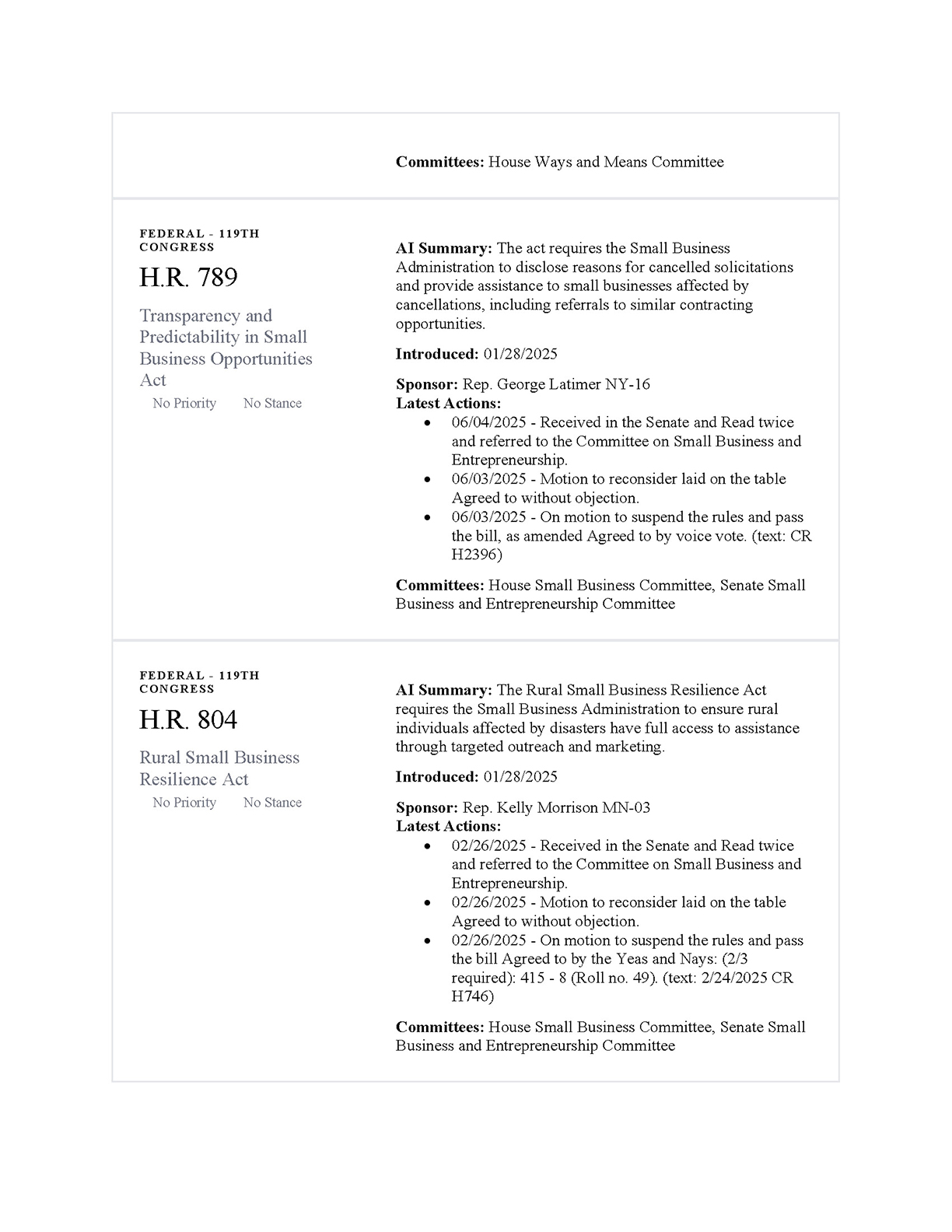
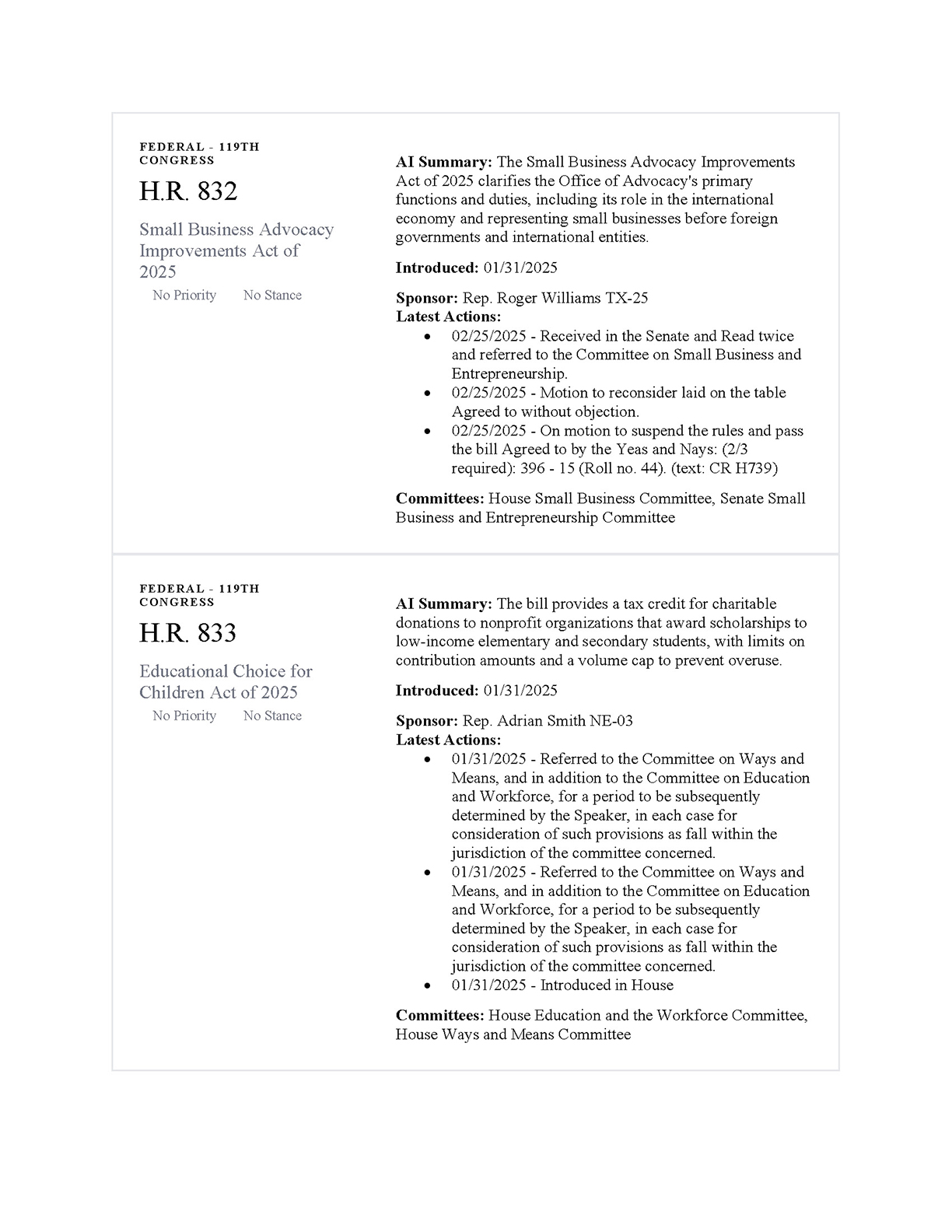
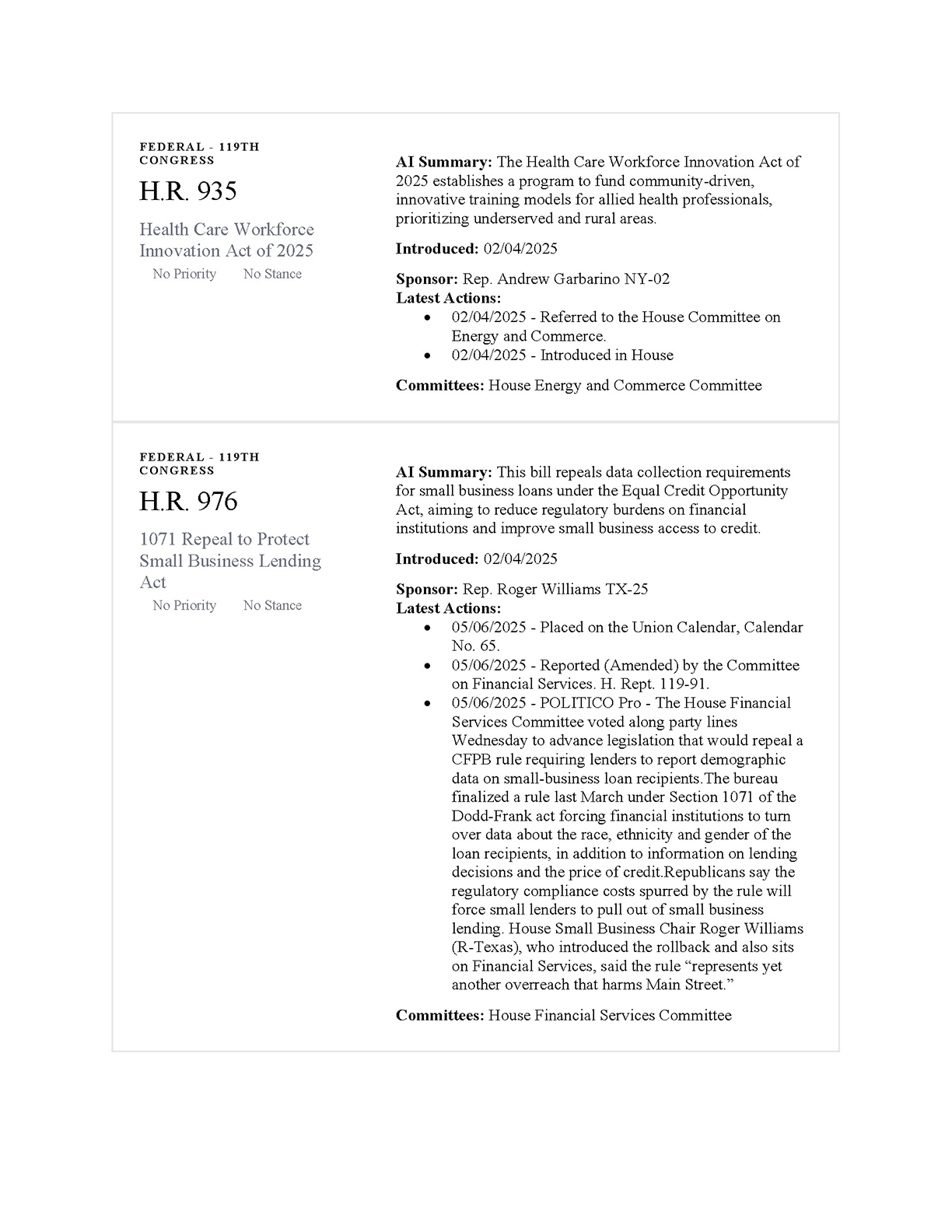
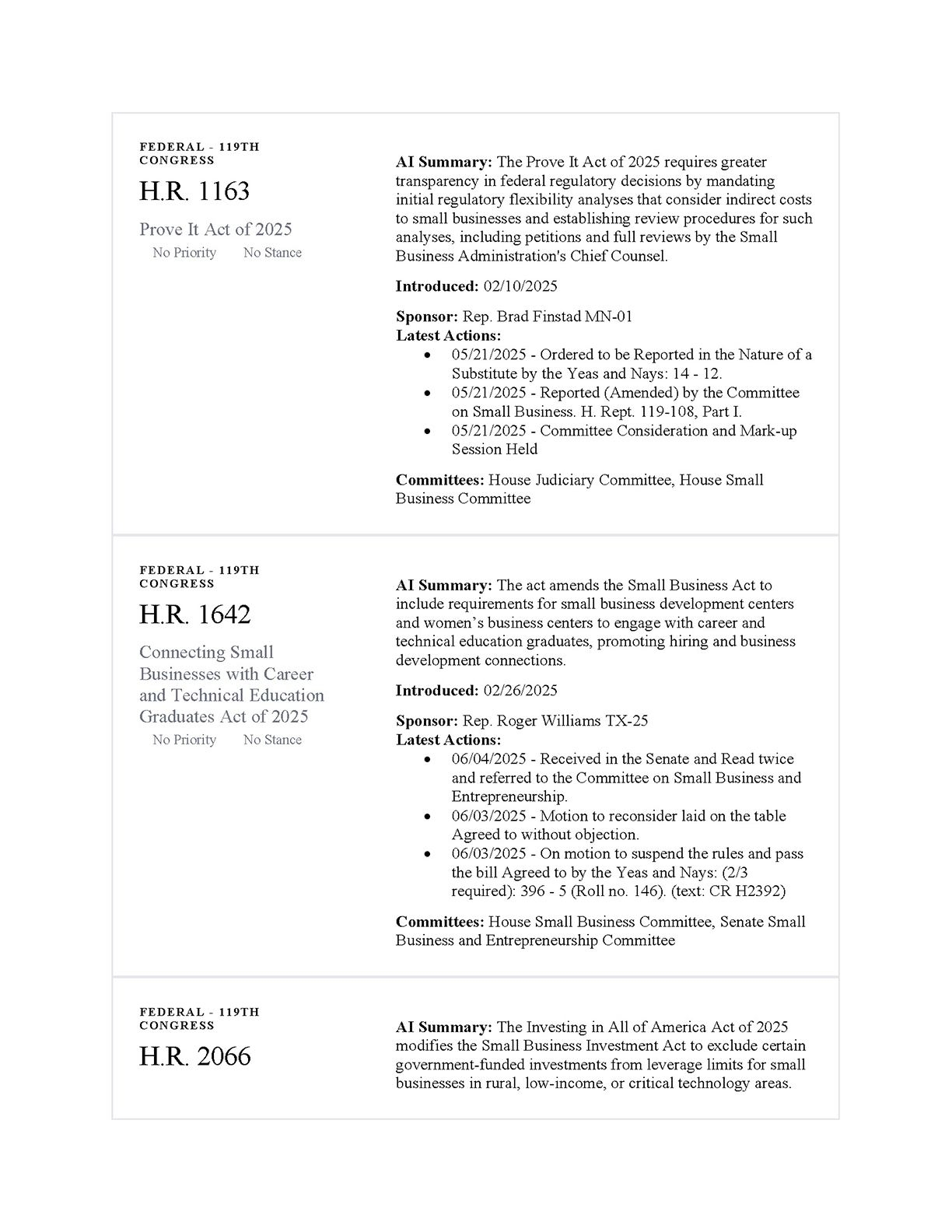
Supporters argue the change tightens oversight after concerns about lax standards and missing funds. Roger Williams, chair of the House Small Business Committee, acknowledged it is a “tough thing” but suggested stricter guardrails are necessary. SBA officials say the agency remains focused on driving economic growth for American citizens and could expand lending capacity if Congress increases loan limits.
Democrats and small business advocates strongly oppose the shift. Ed Markey and Nydia Velázquez criticized the policy as exclusionary and harmful to immigrant entrepreneurs. Advocacy groups including Small Business Majority and CAMEO Network warn it could restrict access to capital at a time when small firms face higher costs from tariffs, health care, and inflation. In 2025 alone, the SBA approved more than 68,000 7(a) loans totaling $33.8 billion, underscoring the program’s central role in small business financing.
Small Businesses Seek Tariff Refunds After SCOTUS Ruling
A coalition of small businesses has asked the U.S. Court of Appeals for the Federal Circuit to expedite action that would allow the Trump administration to begin refunding tariffs the Supreme Court of the United States recently ruled were unlawfully imposed under the International Emergency Economic Powers Act (IEEPA). The companies, which were among the first to challenge Donald Trump’s use of the 1977 emergency powers statute to levy broad import tariffs, said they are seeking swift judicial action after administration officials indicated refunds would not be issued unless specifically ordered by the courts.
The businesses simultaneously filed a motion with the U.S. Court of International Trade, requesting permanent injunctive relief to bar further enforcement of the tariffs and to compel the government to initiate a refund process with interest. The trade court had previously ruled that Trump exceeded his authority under IEEPA and directed the administration to prepare refund guidance, but that order was paused pending appeals. While the Supreme Court affirmed that the tariffs were unlawful, it left the mechanics of refunds to lower courts. The plaintiffs argue that each day without repayment harms their operations and that a clear refund framework would also streamline claims from more than 900 related cases now pending before the trade court.
Congress Looks to Small Business Innovation Reauthorization
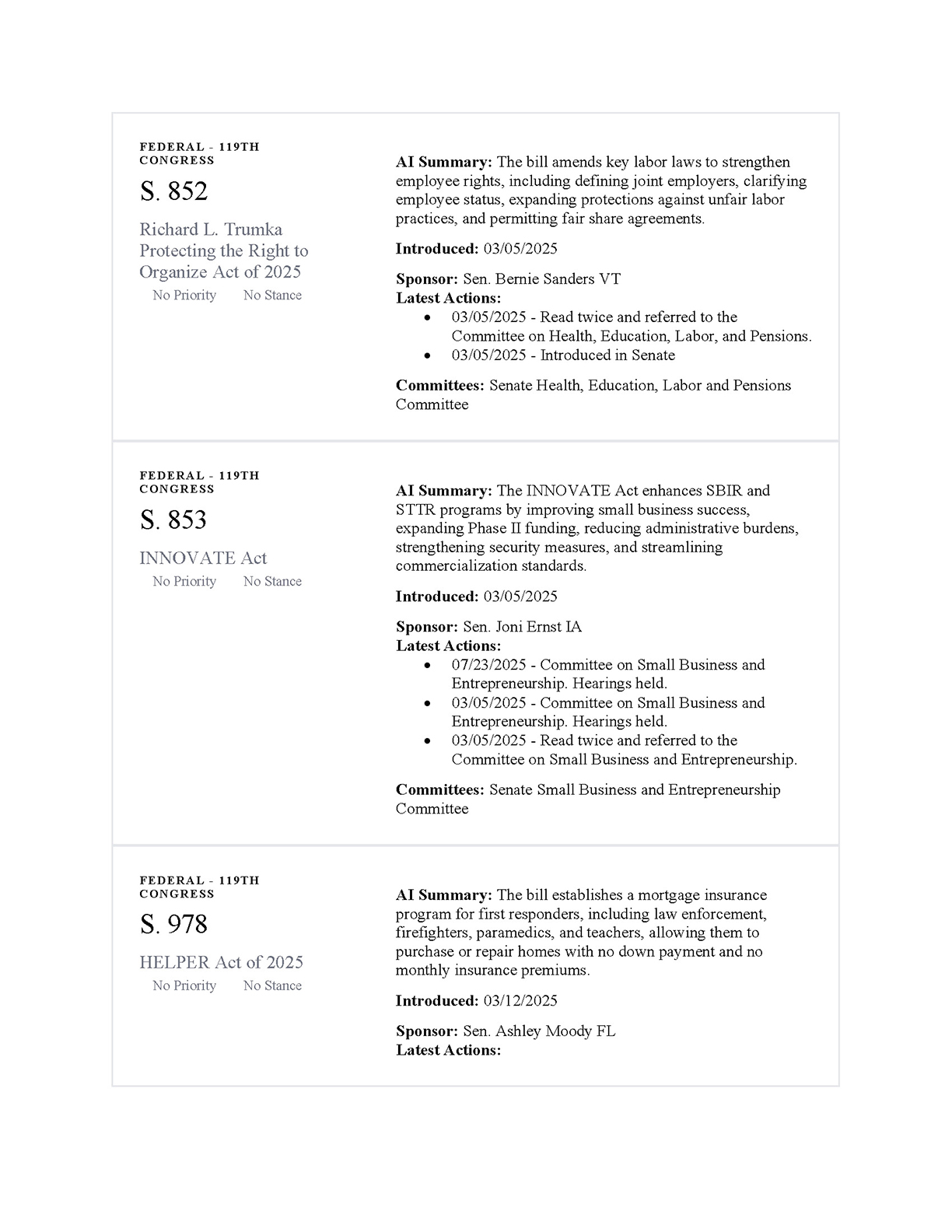
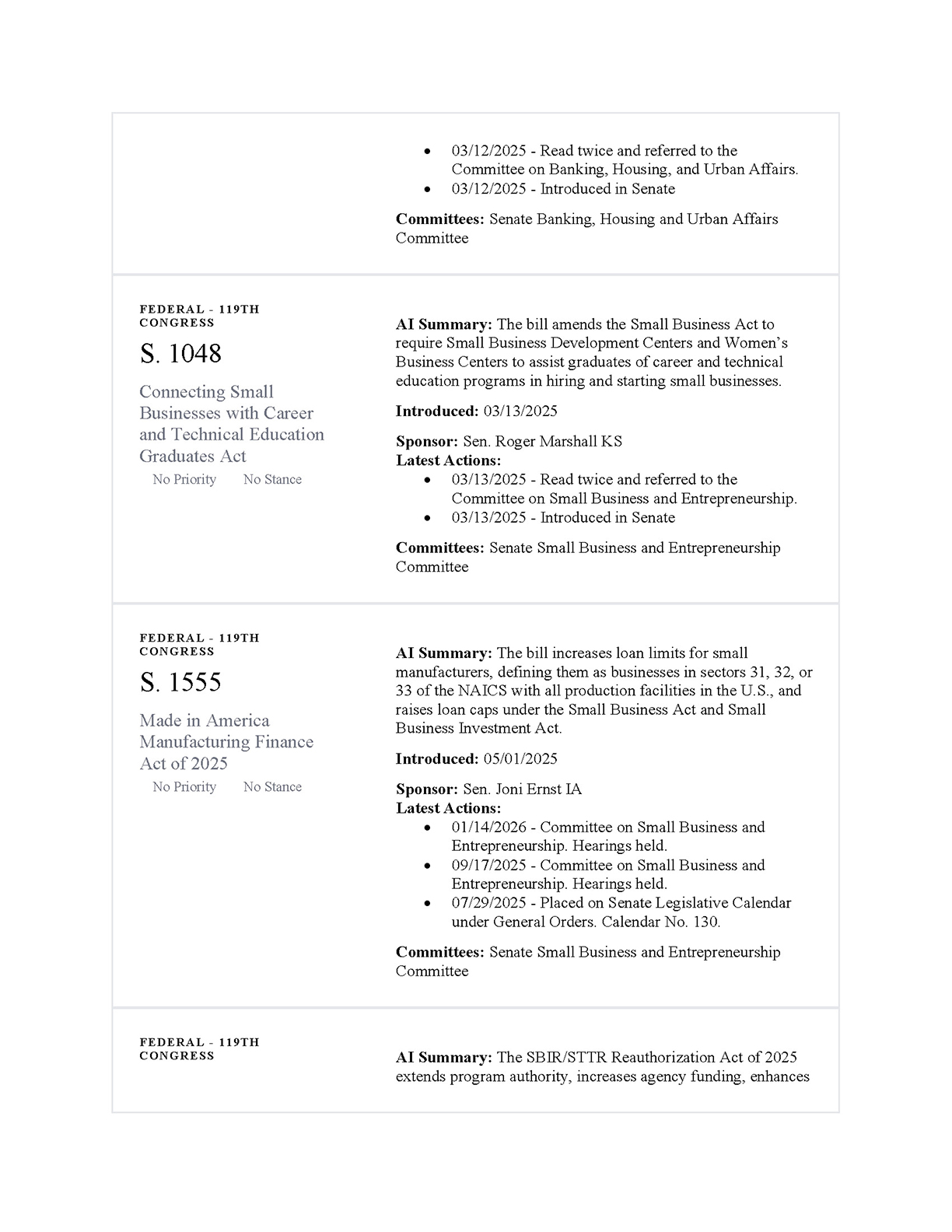
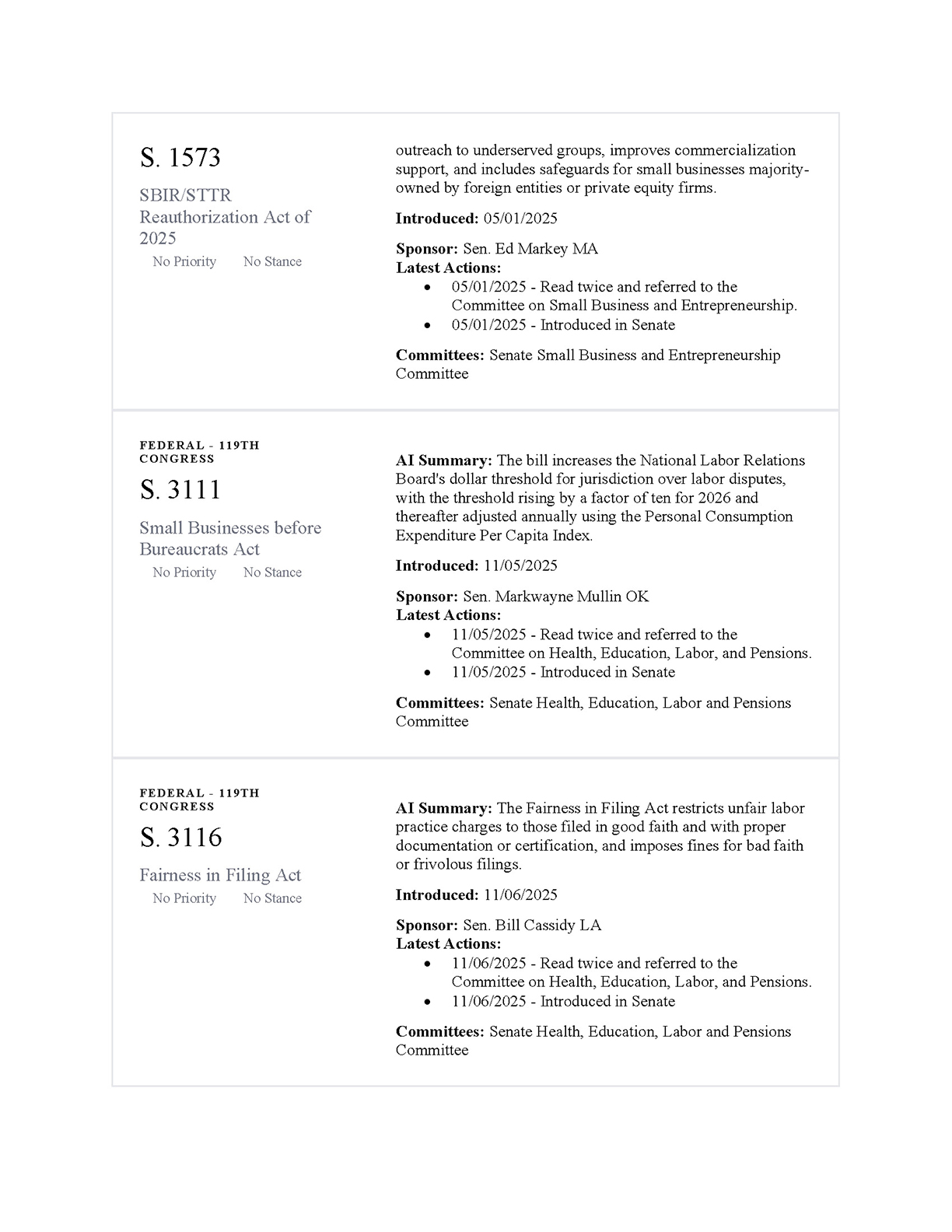
Joni Ernst and Ed Markey have introduced bipartisan legislation to reauthorize the $6 billion Small Business Innovation Research (SBIR) and Small Business Technology Transfer (STTR) programs, five months after the initiatives lapsed amid disputes over national security safeguards. The programs provide early-stage federal funding to US-owned, for-profit small businesses with fewer than 500 employees to help commercialize emerging technologies.
The lapse stemmed largely from concerns about potential Chinese influence and whether some awardees were repeatedly receiving grants without developing sustainable businesses. Ernst had pushed for tighter guardrails to prevent funds from reaching foreign adversaries or being cycled to underperforming firms. The newly negotiated bill would reauthorize the programs for five years and introduce several reforms, including enhanced due diligence requirements, expanded scrutiny of foreign security risks, and authority for SBIR offices to cap annual applications. It would also require measurable progress benchmarks tied to a project’s development stage.
The urgency intensified after the Defense Department’s Office for Small Business Innovation warned it might begin winding down operations and reallocating remaining funds from the roughly $3 billion it distributes annually through the programs. The agreement has backing from key House lawmakers, including Roger Williams, Nydia Velázquez, Brian Babin, and Zoe Lofgren. Senate leaders hope to pass the bill by unanimous consent and quickly send it to the president for signature.
DOL Rolls Out Small Business AI Framework
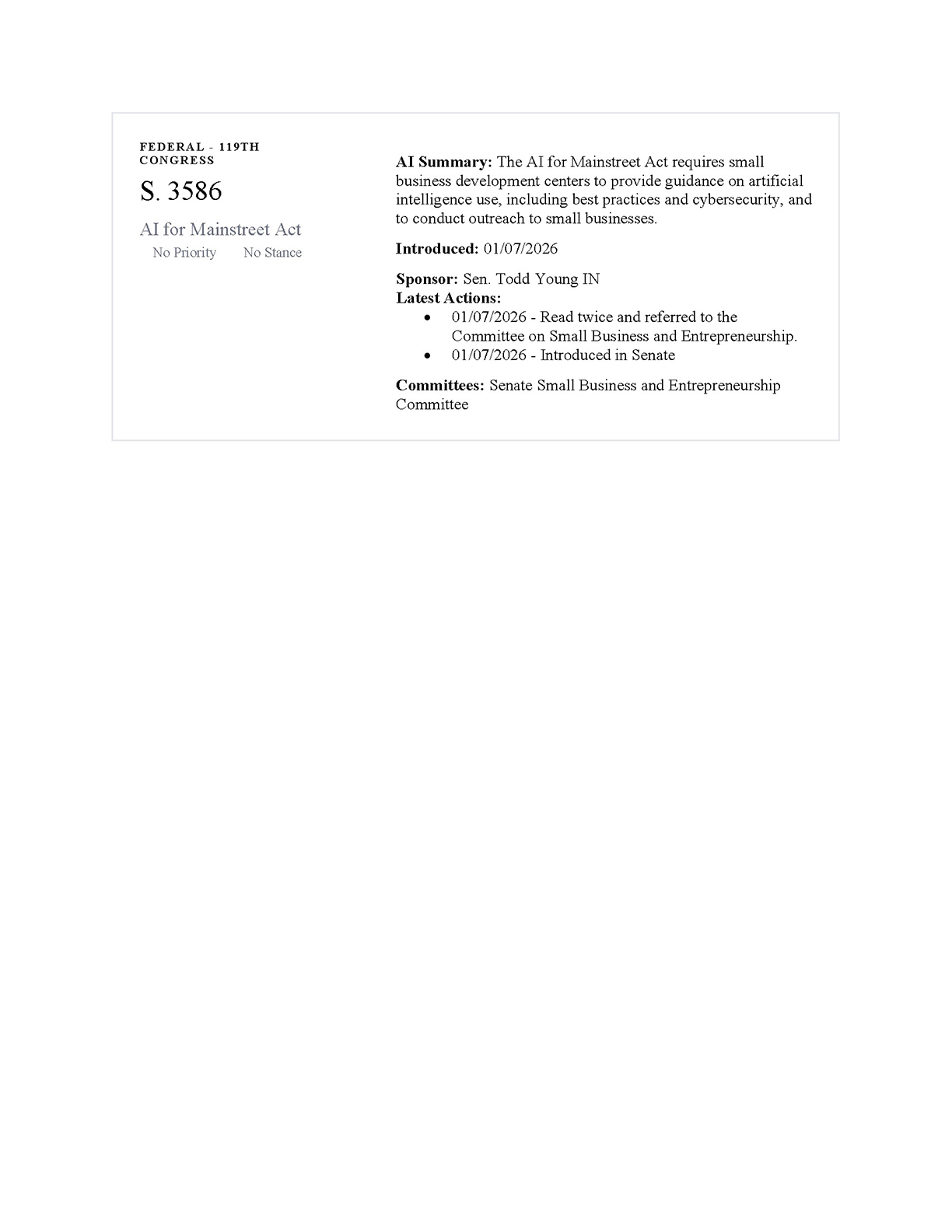
In late February, the Department of Labor released a new artificial intelligence literacy framework designed to help states and local workforce boards prepare workers for the rapid integration of AI across industries. Labor Secretary Lori Chavez-DeRemer said the guidance is intended to ensure American workers can benefit from AI-driven economic growth. The framework outlines five core components of AI literacy, including understanding practical workplace applications, using AI tools responsibly, and recognizing ethical and data security risks. It encourages training providers to emphasize hands-on, contextual instruction and to pair technical AI knowledge with human-centered skills such as judgment, adaptability, and critical thinking.
The guidance builds on a broader AI workforce strategy under Donald Trump, including a multi-agency initiative launched last year to expand skills development nationwide. That effort has included attempts to broaden access to programs authorized under the Workforce Innovation and Opportunity Act, though Congress has struggled to reauthorize the statute. Trump has also moved to limit state-level AI regulation through an executive order preempting certain state laws. At the same time, some economists, including former Federal Reserve Chairs Janet Yellen and Ben Bernanke, have urged the department to strengthen federal data collection, warning that the government lacks sufficient tools to track how AI is reshaping employment and wages.
National Employers Association